Most real estate investors are obsessed with density. The default playbook for a 10-unit building is to find a way to add an 11th or 12th unit—usually a basement build-out under the new zoning rules—to bump the gross rent.
If you do this in NYC without auditing the tax code, you are going to destroy your NOI.
Here is the mechanical reality of NYC property taxes:
If your building has 10 units or fewer, it falls into Tax Class 2A or 2B. This is the holy grail. State law strictly caps your assessed value. It cannot increase by more than 8% in a year or 30% over five years. Even if the neighborhood explodes in value, your tax burden is shielded.
The exact moment you pull a Certificate of Occupancy for an 11th unit, that shield is gone.
You cross into Tax Class 2. There are no caps. The Department of Finance will reassess the entire building based on its full market value.
A recent example that crossed my desk: A 10-unit building owner spent capital to add one garden unit, projecting a $45,000 increase in annual rent. It worked. But the reclassification bumped his tax bill from $85,000 to over $300,000. He spent money to create a massive, permanent operating loss.
The real arbitrage right now is the exact opposite.
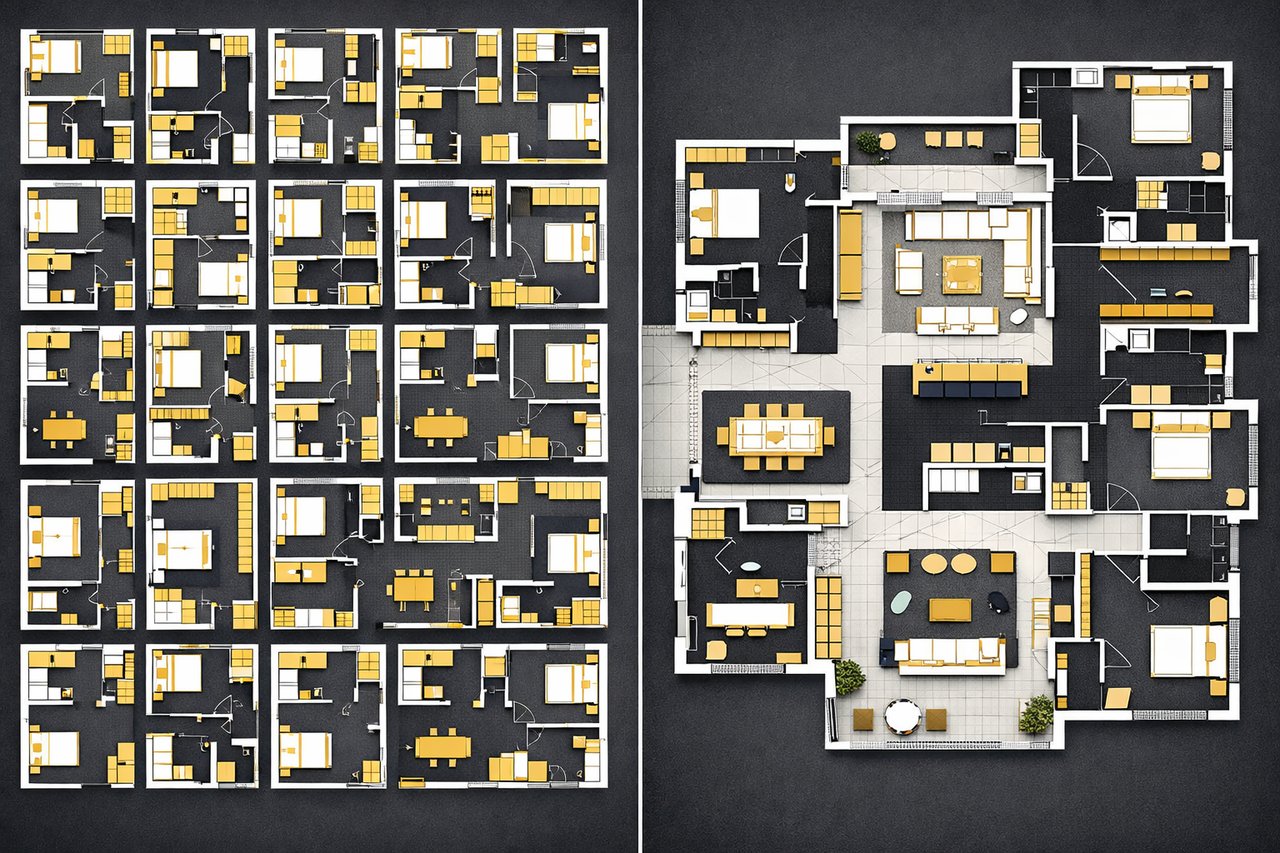
We look for 11 or 12-unit buildings that are bleeding cash because of unprotected Class 2 taxes. We buy the distress, then architecturally merge a few small, inefficient units to drop the total count back down to 10.
We sacrifice a small amount of gross rent to force the building back into the protected tax class. The taxes drop, the NOI explodes, and the capitalized value of the building skyrockets.
Don't just underwrite the rent roll. Underwrite the tax class.